Cervical Cancer – its Cause, Sign, Symptoms Diagnosis, Treatment and Life Expectancy
Cervix is the part between the Uterus and Vagina of women .Cervical cancer is caused by persistent infection with different stains of the human papillomavirus (HPV)
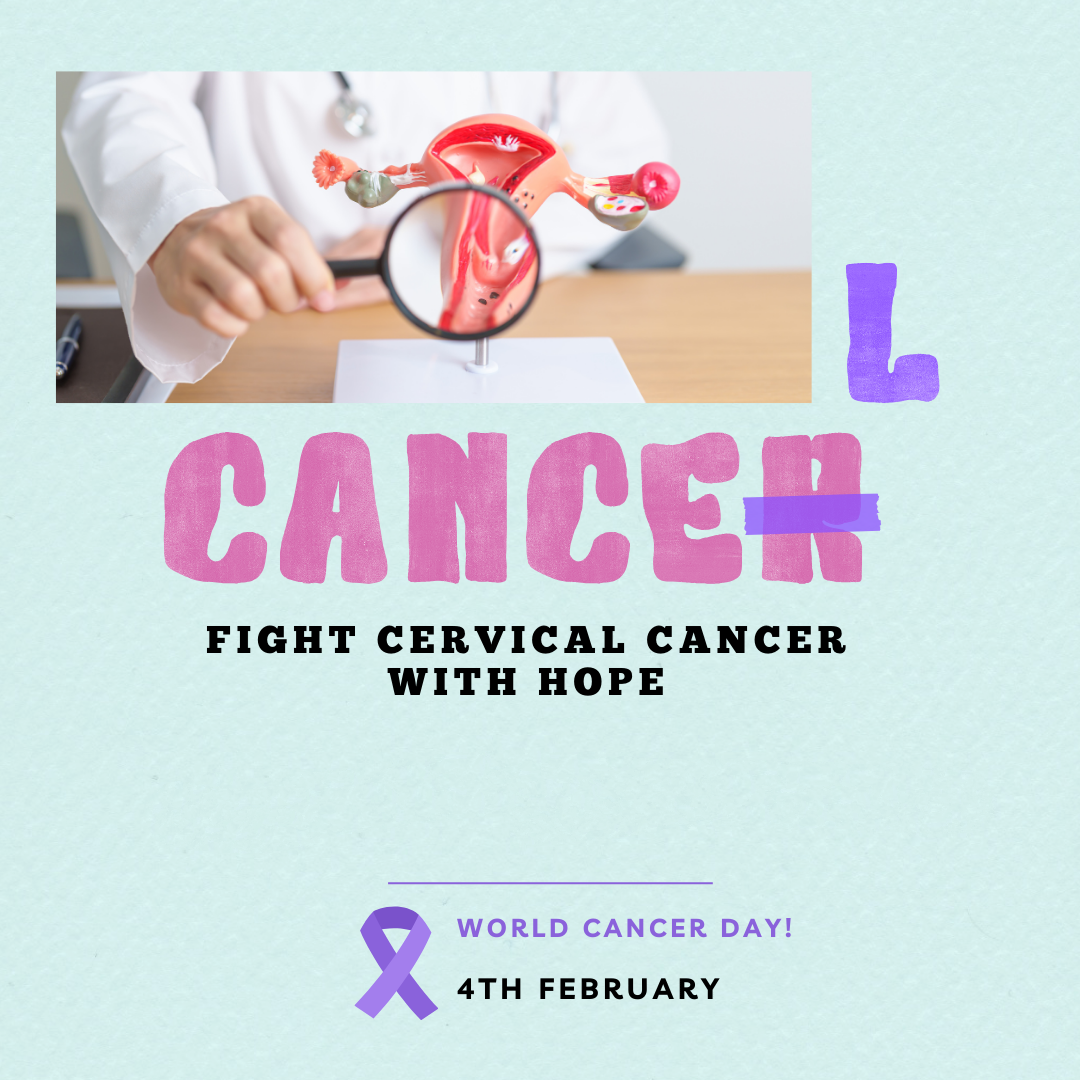
According to World Health Organization, Cervical cancer is the fourth most common cancer in women globally. The highest rates of cervical cancer and mortality due to cervical cancer is seen in low- and middle-income countries. Almost 85 percentage of incidence and death occurs in these countries.
Cervical cancer is caused by persistent infection with different stains of the human papillomavirus (HPV). Cervical cancer can be cured if diagnosed at an early stage and treated well.
What is Cervix and Cervical Cancer ?
Cervix is the part of women genital organ between the Uterus and Vagina. It is composed of mainly fibrous connective tissues. Cervix has a transitional epithelial layer which changes with hormone level of not only Estrogen but also by infection and trauma.
Where the Cervical Cancer develops ?
80% Cervical cancer is predominantly seen in ectocervix. Rest are seen in endocervix
Squamocolumnar Junction is the meeting point of two epithelial layers. Columnar epithelial lined endo cervix and squamous epithelial lined ectocervix meets at this point. This is a dynamic point in it’s occurrence.
What is Risk Factors of Cervical Cancer ?
High Risk Types
Early sexual exposure (<16 year of age)
Multiple Sexual Partners
Immunocompromised
Age >30
Smoking habits
Poor genital hygiene
Persistent Genital Infections and STD
Dietary deficiency of Vit A, C, E
Improper Screening
What are the Most Common stains causing Cervical Cancer ?
HPV 16, 18,31,33,45,52,56, 58, 59,68 are high risk strains and HPV type 6,11,42,43,44 are low risk strains
Also caused by HSV 2, HIV, Chlamydia like organisms
Cervical cancer is commonly associated with Human Papillomavirus infection. Normally 200 plus strain are seen to attack human body. Of which a few only produce significant effects. Our body Host Defense clears the infection and fights back against HPV. But presence of high risk factors and altered immune status of our body can’t combat the persistent infection leading to Cervical cancer.
In low vaginal pH, trauma there is a replacement of columnar epithelium at the junction to squamous epithelium occurs. At this point when Carcinogen specially HPV infection occurs there is seen a kind of Atypical metaplasia. Now HPV integrated in human genome leading to expression of oncoproteins & mutation of tumor suppressor genes. Which in future converts into a full grown Invasive Carcinoma of Cervix.
What are first signs of Cervical Cancer ?
Vaginal bleeding after sex
There is vaginal bleeding after menopause
Vaginal bleeding between periods
Periods are heavier or longer than normal
Vaginal discharge when comes is watery and has a peculiar odor or contains blood
Experiences pelvic pain or pain during sex
Difficult or painful bowel movements
Bleeding from the rectum when having a bowel movement
Difficulty or Pain during urination or blood in the urine
Dull backache
Swelling of the lower limbs
Cervical cancer can sometimes cause a dull backache or some peculiar sensations of pressure or heaviness in the pelvic region. However, with an early-stage tumor the discomfort is either mild or even unnoticeable.
Screening of Cervical cancer
Usually a Triage of Screening is done with the help of
Liquid Based Cytological Evaluation by PAP Smear
HPV DNA Hybrid Capture
Colposcopy
Once Atypical cells are found in PAP Smear it is send for HPV DNA Testing. If it also comes negetive a colposcopic biopsy is taken. If HPV DNA testing comes negetive usually a repeat Smear is done after 5 years
Usually Cervical cancer or Carcinoma of Cervix is of three types.
Exophytic
Ulcerative
Infiltrative
Most of the Carcinoma of Cervix are Squamous Cell Carcinoma. They arises from the ectocervix.
Staging of Carcinoma of Cervix
Procedures used usually are
Lymph Node Palpation
Colposcopy and Biopsy
Hysteroscopy
Chest and Skeletal X-Ray
CT, MRI, FGD-PET Scan
Prognosis of Cervical Cancer
Prognosis or curability depend on Tumor size, Involvements of Lymph Nodes, Extra Cervical Spread, Invasion in the structures. 4 stages are seen in Cervical cancer. Stage 1, 2, 3 and 4
Usually a Cervical cancer patient dies due to either Uremia, Hemorrhage, Sepsis, Chachexia or Distant Metastasis leading to seeding of tissues in distant organs.
Vaccine against Cervical Cancer and Cervical Disease
HPV Vaccine already developed from capsid coat of HPV Virus. Cervarix vaccine is active against HPV Types 16 and 18. Gardasil vaccine is active against HPV 6,11,16,18.
Vaccine cannot prevent already HPV infection but works well in non infected women. So it is9 ideal to give these vaccine before the sexual activities.Vaccines are effective at least 7.5 years.
For female aged less than 15 two dose (0, 6 month )and age more than 15 3 dose (0,1-2,6 month) is the recommended schedule for vaccination against HPV
TAKE HOME MESSAGE
Cervical cancer causes deaths all over world. In India Carcinoma of Cervix is a major Public Health problem in women and the second most common cause of Gynecological Malignancy.
So Cervical Cancer should be properly addressed, discussion with an experienced physician or gynecologist is essential